

Mobile apps have been a buzzword for more than a decade, and the market is crowded. So is an app still relevant for your customers? Only if it offers you real opportunities. Building one because everyone else does is a reliable way to burn cash, time and team capacity.
Key takeaways
- Build an app only when it creates real opportunities, not because others do.
- Apps drive engagement, keep you top of mind and deliver customer insights.
- Personalisation, social sharing and native features create value a website cannot.
- Enterprise apps can pay off internally, not only with customers.
- The benefits must outweigh the costs - start from user needs.
Want to learn more?
In a free strategy call we answer your questions about cost, technology and process.
Book a callThe right question
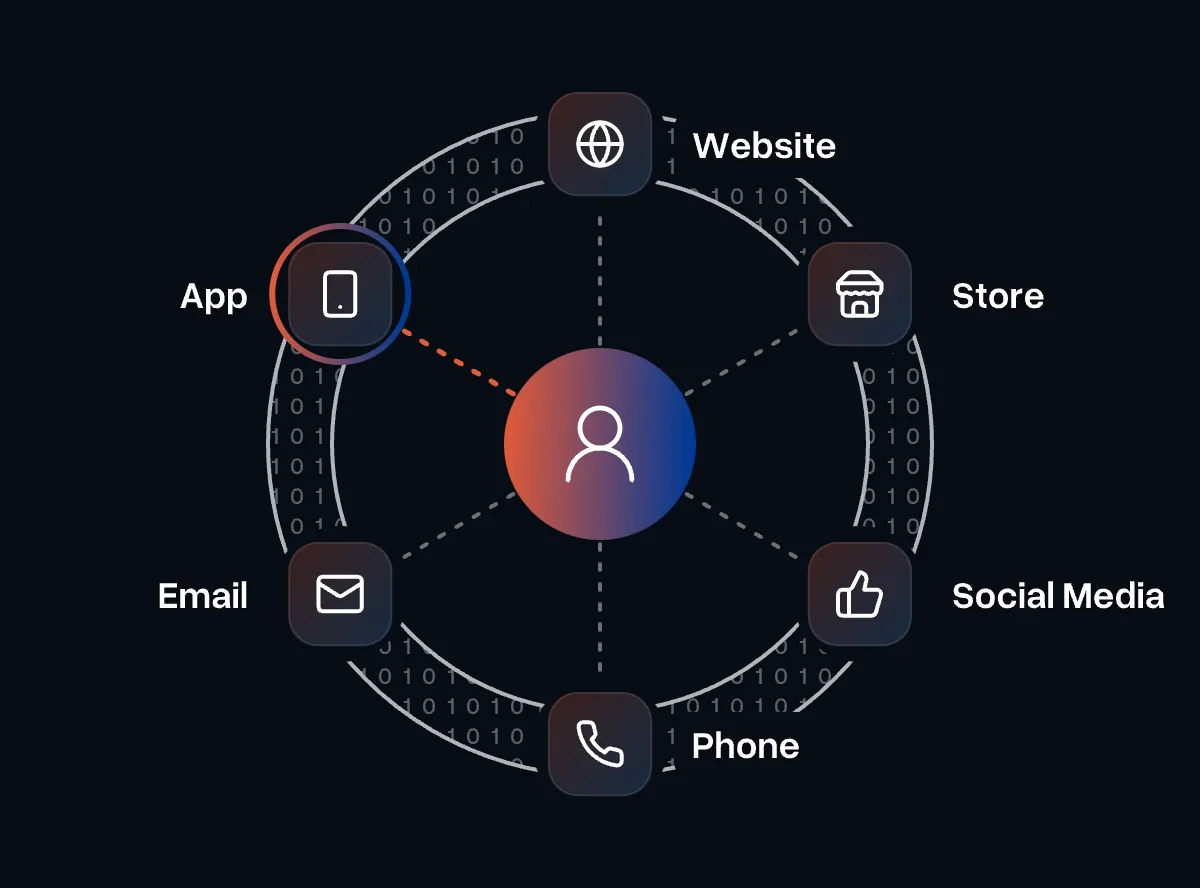
Apps are no longer the single source of growth. Customers expect a consistent brand experience across channels - website, stores, social media, phone and email - and apps can play a central part in that. They engage users in ways other channels rarely match and give you more control over the experience.
Does that mean every business should launch an app? No. The decision should rest on clear business goals and real opportunities, not on following the crowd. The right question is: does an app offer enough growth potential for your business? These eight points help you answer it.
1. High engagement
The smartphone is the first thing many people look at in the morning and the last thing at night. In between they message, scroll, watch videos and send emails - and most of that time is spent inside apps. If you benefit from users spending more time with you, an app can make business sense.
2. Staying top of mind
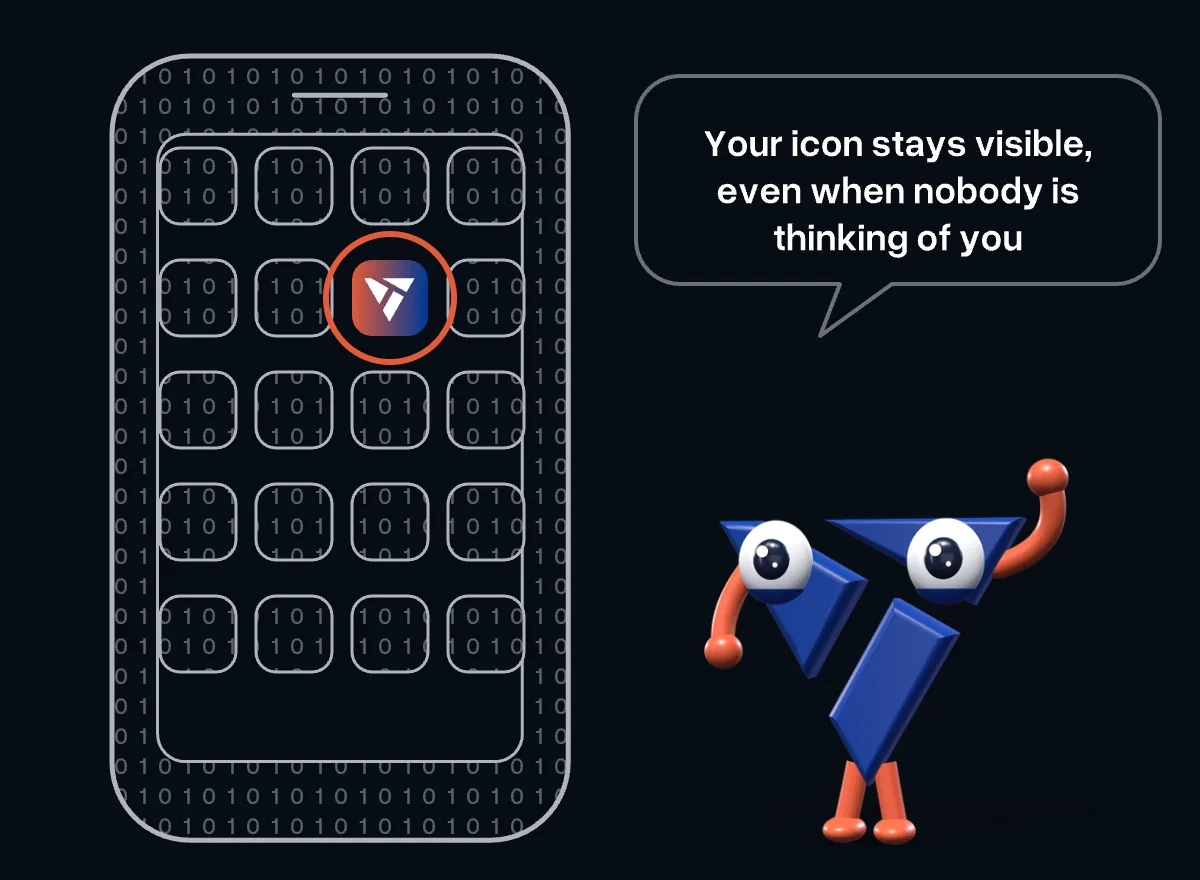
With so many choices, people are constantly weighing options. Even when they are not thinking of you, they see your app icon on their screen while looking for other apps. That reminds them of you and what you offer - and over time it can tip a few more purchases your way.
3. Valuable customer insights
Apps generate a wealth of usage data. They help you identify your most profitable customer groups, untapped markets and segments, and new needs and preferences. By analysing how people use the app, you see which parts of your products or services need improvement and which new features are in demand.
4. Personalised experiences
Personalisation is one of the strongest drivers of app engagement. According to Epsilon (2018), 80% of consumers are more likely to buy from a brand that offers personalised experiences.
This applies across industries. Retail customers value product recommendations that fit their needs. B2B customers appreciate quick, automated answers to simple questions about their account, with a person available for complex ones. That speed can be a real advantage for lean teams.
5. Sharing on social platforms
Many smartphone users share moments of their day on social media. Give them in-app milestones worth sharing: a new high score, a purchase, a savings goal, a workout record. When they share, it is free promotion for you - remember how Farmville requests and Candy Crush scores once filled social feeds.
6. It is not only about customers
Enterprise apps are becoming standard in mid-sized and large companies. They let employees, contractors and suppliers do their work and deliver services remotely - from monitoring IoT devices on a job site to remote installation or mobile access to sales and operations data.
A field sales rep, for example, can pull relevant data on a lead from company systems before the meeting. That data can decide whether the lead becomes a customer.
7. New revenue channels
A good app experience makes users spend more time with you, and the more time they spend, the more they learn about your products, services and add-ons. Personalised suggestions, combined with discounts or coupons, can drive significant upselling over time. Push notifications, in-app offers and a dedicated promotions section add further options.
8. Native device features
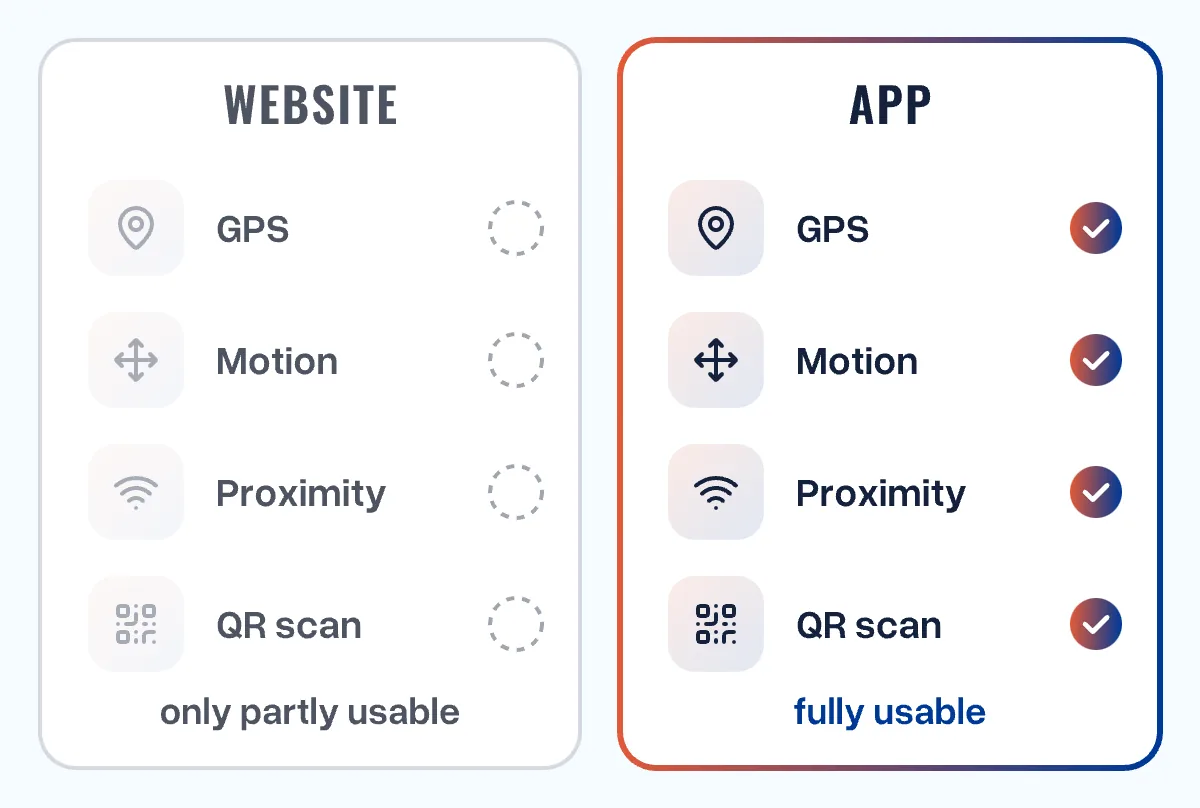
Smartphones offer functions a website cannot use in the same way: GPS, motion tracking, proximity sensors, QR scanning and more. Fitness apps use them to record distance, route, steps, speed and incline. Look at what iOS and Android devices offer and where it creates value for your users.
Benefits must outweigh costs
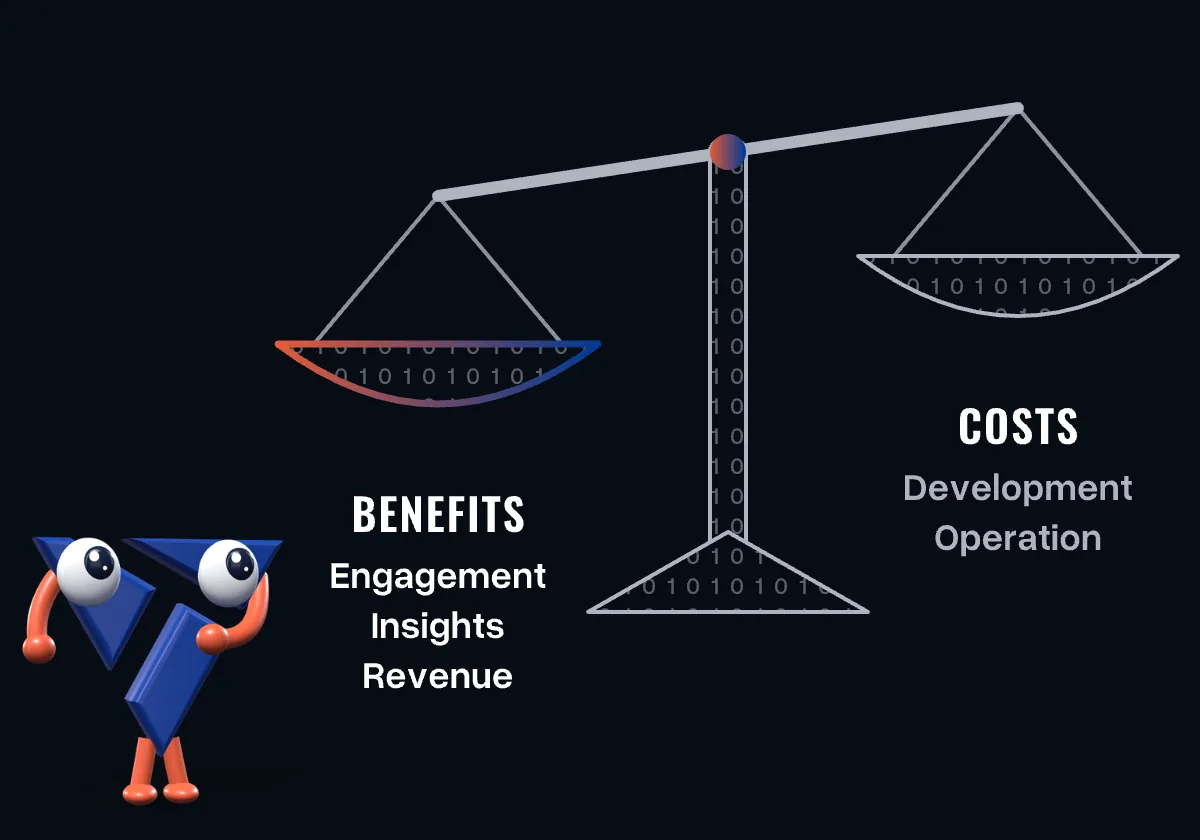
A good app delivers tangible benefits to your organisation, and those benefits must outweigh its costs. Start by understanding your users' needs, translate them into features, then look at how the app can generate additional revenue.
Not sure whether an app is the right step? Talk to us - we will look at your goals first and only recommend an app if it pays off. More on our mobile app development.